


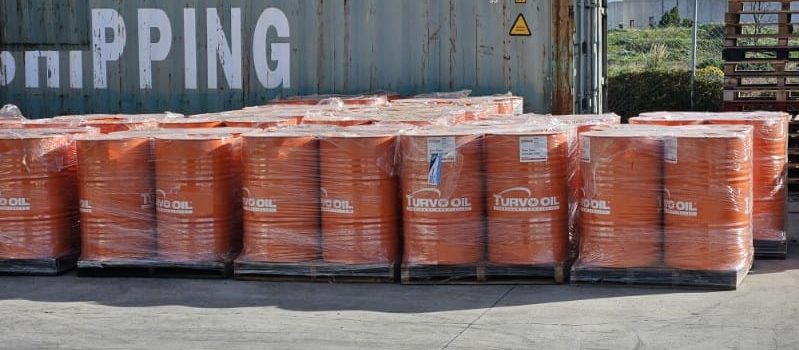
In Australia’s demanding energy landscape, transformers are the silent workhorses that power our industries, cities, and homes. The reliability of these critical assets depends on an often-overlooked component: transformer oil. This specialized fluid is the lifeblood of a transformer, providing essential insulation and cooling. This guide provides a comprehensive overview of transformer oil in Australia, covering everything from selection and standards to maintenance and suppliers.
What is Transformer Oil and Why is it Critical?
Transformer oil, also known as insulating oil, is a highly refined mineral or synthetic oil that is stable at high temperatures and has excellent electrical insulating properties. It is used in oil-filled transformers, some types of high-voltage capacitors, fluorescent lamp ballasts, and some types of high-voltage switches and circuit breakers.
The transformer oil serves several critical functions that are essential for the safe and efficient operation of electrical equipment. It provides electrical insulation between the internal components of the transformer, preventing electrical arcing and short circuits. It acts as a coolant, dissipating the heat generated during operation by circulating through the windings and carrying heat away to cooling fins or radiators. It also provides arc suppression in tap changers and circuit breakers, quickly extinguishing any arcs that form during switching operations.
Without proper transformer oil, a transformer would quickly overheat, suffer insulation breakdown, and fail catastrophically. This could result in power outages, equipment damage, fire hazards, and significant financial losses. In Australia’s critical infrastructure, where transformers often operate in remote locations or serve essential services, the reliability provided by high-quality transformer oil is absolutely essential.
Types of Transformer Oil Available in Australia
The Australian market offers three main types of transformer oil, each with its own set of properties, applications, and price points. Understanding these differences is crucial for making the right selection for your specific application.
| Oil Type | Base Material | Key Characteristics | Fire Point | Biodegradability | Best For |
| Mineral Oil | Refined Crude Oil | Cost-effective, proven performance, good dielectric properties | ~150°C | Poor | The majority of power and distribution transformers |
| Synthetic Ester | Chemical Synthesis | Superior fire safety (K-Class), biodegradable, excellent thermal stability | >300°C | Readily Biodegradable | High-risk locations (indoors, tunnels), environmentally sensitive areas |
| Natural Ester | Vegetable Oils | High fire point, biodegradable, excellent moisture tolerance | >300°C | Fully Biodegradable | Distribution transformers, retro-filling existing units |
Mineral Transformer Oil has been the industry standard for over a century. It is refined from naphthenic or paraffinic crude oil through a process that removes impurities and ensures the oil meets strict electrical and physical specifications. Naphthenic oils, which are derived from naphthenic crude, are preferred for transformer applications because they have better low-temperature properties and remain fluid at lower temperatures than paraffinic oils. Mineral oils offer excellent dielectric strength, good thermal conductivity, and a proven track record of reliability. They are the most economical option and remain the choice for the vast majority of standard power and distribution transformers in Australia.
Synthetic Ester Transformer Oil represents a significant advancement in transformer fluid technology. These oils are chemically synthesized to have very specific molecular structures, resulting in superior performance characteristics. The most significant advantage of synthetic esters is their fire safety. With a fire point exceeding 300°C (compared to around 150°C for mineral oil), they are classified as K-class fluids, meaning they are considered “less flammable” or “fire-resistant” by international standards. This makes them ideal for high-risk locations such as indoor substations, underground vaults, tunnels, and buildings where a transformer fire could have catastrophic consequences. Synthetic esters are also readily biodegradable, making them an environmentally responsible choice.
Natural Ester Transformer Oil is derived from renewable vegetable sources such as soy, canola, or sunflower oil. Like synthetic esters, natural esters have a high fire point (over 300°C) and are classified as K-class fluids. They are fully biodegradable, making them the most environmentally friendly option available. Natural esters have excellent moisture tolerance, meaning they can absorb more water than mineral oil without suffering a significant reduction in dielectric strength. This property can extend the life of the transformer’s solid insulation (paper and pressboard) by keeping it drier. Natural esters are increasingly popular for distribution transformers, especially in urban areas or environmentally sensitive locations.
Key Standards for Transformer Oil in Australia
To ensure safety, reliability, and performance, transformer oils must comply with strict national and international standards. For Australian asset managers and engineers, understanding these standards is essential for procurement and quality assurance.
The two most important standards for transformer oil in Australia are:
IEC 60296:2020 is the global standard for unused mineral insulating oils for transformers and switchgear. Published by the International Electrotechnical Commission, it specifies the physical, chemical, and electrical properties that the oil must meet. The 2020 edition introduced a new classification system that provides more clarity on oil types and their intended applications. This standard is recognized worldwide and ensures that oils meet consistent quality benchmarks regardless of where they are manufactured.
AS 60296:2017 is the Australian standard, which is based on and aligned with the IEC standard. It ensures that oils used in Australia meet global best practices while also addressing any specific requirements of the Australian electrical industry. Compliance with AS 60296 is often a requirement in procurement specifications for utilities and large industrial users.
These standards classify mineral transformer oils into two main types based on whether they contain an antioxidant additive:
Type A (Inhibited) oils contain an antioxidant additive, typically a phenolic compound, which slows down the oxidation process. Oxidation is the primary aging mechanism for transformer oil, and it leads to the formation of sludge and acidic compounds that can damage the transformer. Inhibited oils are recommended for transformers operating under high thermal stress or where extended service life is required. The inhibitor typically extends the oil’s life by a factor of 5-8 times compared to uninhibited oil.
Type B (Uninhibited) oils do not contain antioxidant additives. They are suitable for less demanding applications or where regular maintenance and monitoring are in place to detect and address oil degradation early. Some users prefer uninhibited oils because they avoid the potential complications of inhibitor depletion and the need to monitor inhibitor levels.
For synthetic and natural ester fluids, the relevant standard is IEC 61099, which specifies the requirements for unused synthetic organic esters for electrical purposes.
Applications of Transformer Oil Across Australian Industries
Transformer oil is used across a wide range of applications in Australia’s energy and industrial sectors. Understanding these applications helps in selecting the right oil for each specific use case.
Power Transformers are large, high-voltage transformers used in transmission substations to step voltage up or down. These transformers can contain thousands of liters of oil and operate at very high power levels. They require high-quality, inhibited mineral oil or, in some cases, synthetic esters for enhanced fire safety. Power transformers are critical assets, often costing millions of dollars, and their reliability is paramount.
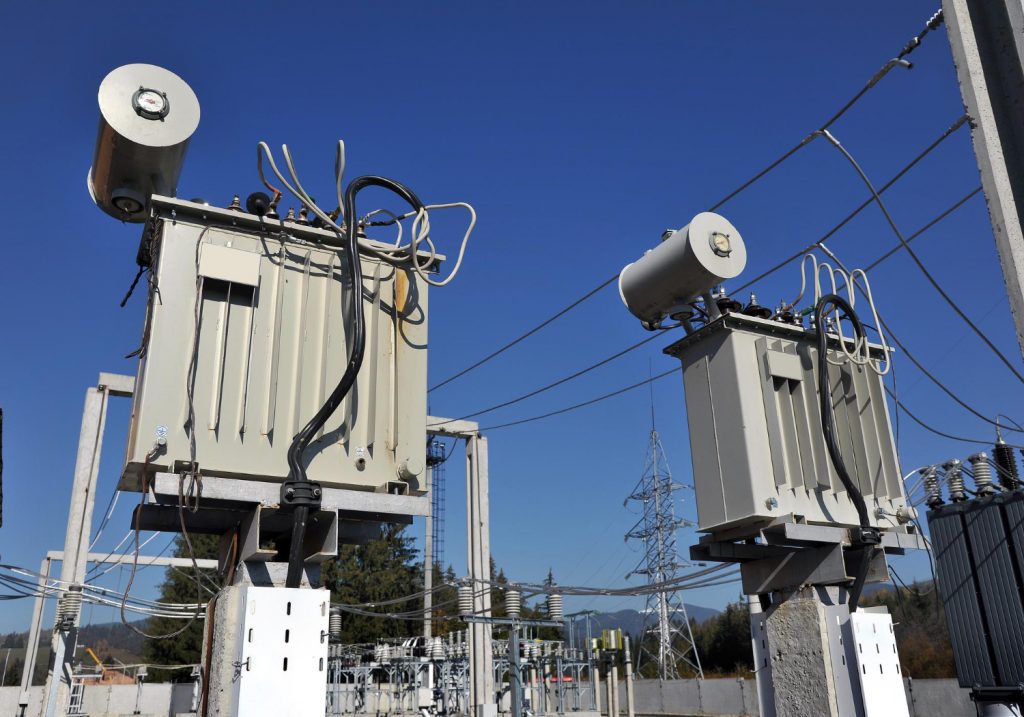
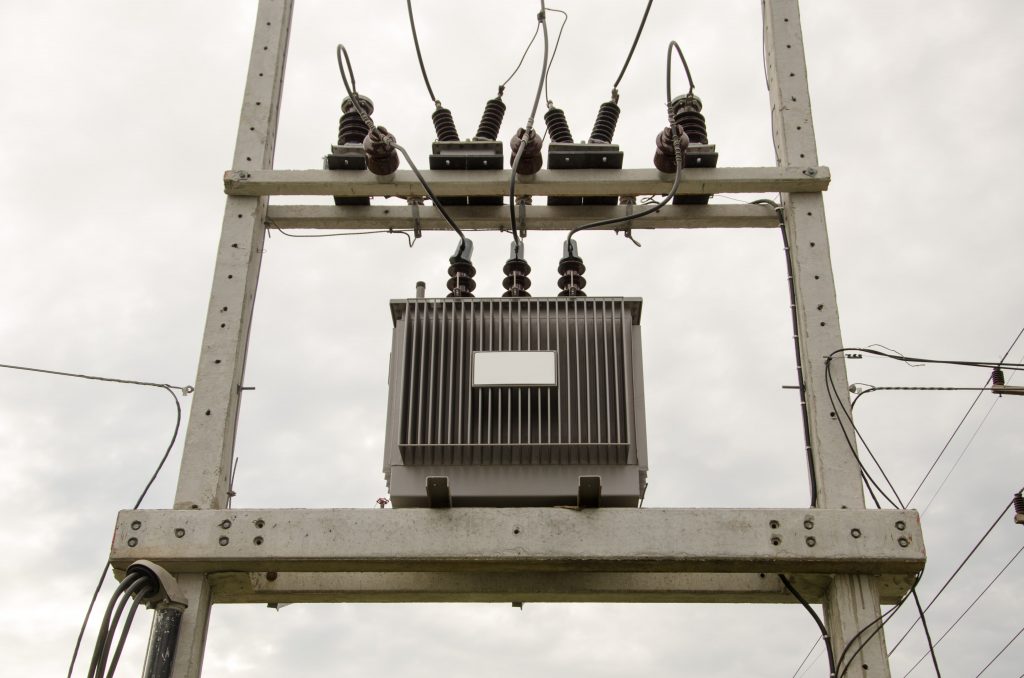
Distribution Transformers are smaller transformers that step voltage down to levels suitable for end-users. They are found on power poles, in pad-mounted enclosures, and in substations throughout urban and rural Australia. Distribution transformers typically use uninhibited mineral oil, though there is a growing trend toward natural esters for their fire safety and environmental benefits.
Switchgear and Circuit Breakers use transformer oil as an insulating and arc-quenching medium. When a circuit breaker opens under load, an electrical arc forms. The oil rapidly cools and extinguishes this arc, preventing damage to the equipment. High-quality mineral oil with good arc-quenching properties is essential for this application.
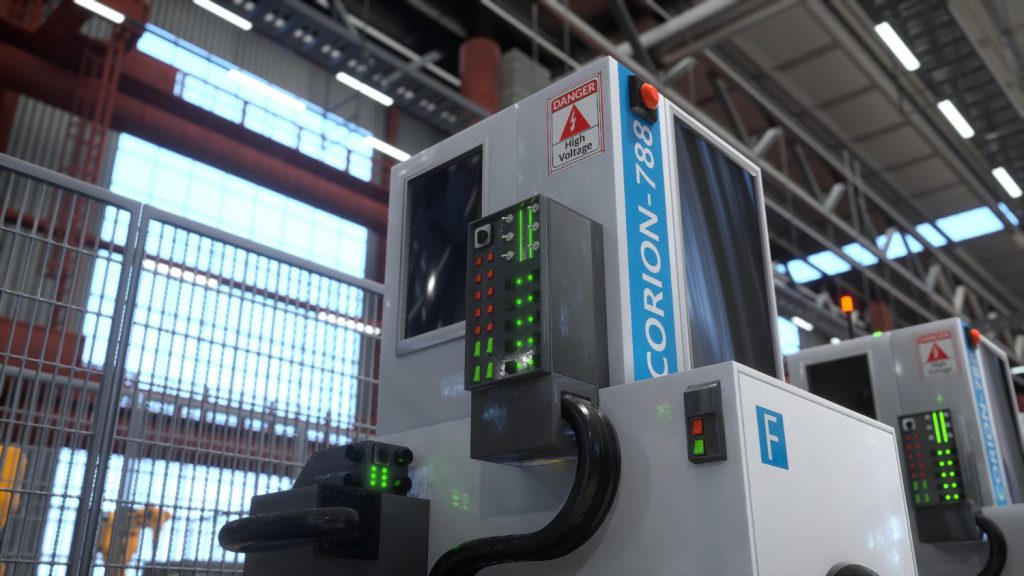
Industrial Transformers are used in manufacturing plants, mining operations, and other industrial facilities to provide power at the required voltage levels. These transformers may operate in harsh environments with high ambient temperatures, dust, and vibration. They require robust oils that can withstand these conditions.
Tap Changers are devices that allow the transformer’s voltage ratio to be adjusted while the transformer is in service. They operate by switching between different taps on the transformer winding, and this switching creates arcs. Tap changers are typically filled with the same oil as the main transformer, though some use specialized fluids.
How to Choose the Right Transformer Oil Supplier in Australia
Selecting a reliable transformer oil supplier is as important as choosing the right oil. The supplier is a long-term partner who will support your maintenance program and ensure you have access to quality products when you need them.
Look for a supplier who offers:
Certified Products that meet IEC and Australian standards. Every batch of oil should come with a certificate of analysis showing that it meets the required specifications. This documentation is essential for quality assurance and for demonstrating compliance with regulatory requirements.
Technical Expertise is invaluable. The supplier should have a deep understanding of transformer oils and be able to provide technical support and advice. They should be able to help you select the right oil for your application, interpret oil test results, and troubleshoot problems. A supplier with in-house technical staff or access to expert consultants adds significant value.
Comprehensive Range of products allows you to consolidate your procurement. A supplier offering mineral oils (both inhibited and uninhibited), synthetic esters, and natural esters can meet all your needs, simplifying your supply chain and reducing administrative overhead.
Reliable Supply Chain is critical. Transformers are long-lived assets, and you need to be confident that your supplier will be there when you need to top up oil, replace oil, or commission a new transformer. Look for a supplier with a proven track record, adequate inventory, and efficient logistics.
Testing and Analysis Services provide a complete life-cycle solution. Some suppliers offer oil testing and analysis services, either in-house or through partnerships with accredited laboratories. This allows you to manage your entire transformer oil program through a single supplier, from procurement through testing to disposal or reclamation.
Competitive Pricing is important, but it should not be the only consideration. The cheapest oil may not provide the best value if it requires more frequent replacement or if the supplier cannot provide adequate technical support. Consider the total cost of ownership, including the oil’s service life, maintenance requirements, and the value of the supplier’s support services.
Transformer Oil Maintenance and Testing
Proper maintenance of transformer oil is essential for maximizing the life and reliability of your transformers. A comprehensive maintenance program includes regular oil testing, filtration and purification when needed, and timely replacement when the oil has reached the end of its service life.
Oil Testing is the cornerstone of any transformer maintenance program. Regular analysis of oil samples provides early warning of developing problems and allows you to take corrective action before a failure occurs. Key tests include Dissolved Gas Analysis (DGA), which detects internal faults; breakdown voltage testing, which measures the oil’s insulating capability; moisture content analysis; acidity testing; and interfacial tension measurement.
Oil Filtration and Purification can restore oil that has become contaminated with moisture or particles. By circulating the oil through a purification plant, you can remove water and solid contaminants, restoring the oil’s dielectric strength and extending its service life.
Oil Reclamation is a process that can restore aged, oxidized oil to a like-new condition. The oil is treated with adsorbents such as Fuller’s Earth, which remove acidic compounds and other decay products. Reclamation is often more cost-effective and environmentally friendly than replacing the oil entirely.
Environmental and Safety Considerations
Transformer oil, particularly mineral oil, is a petroleum product and must be handled and disposed of responsibly. Used transformer oil is classified as a hazardous waste in Australia and must be disposed of in accordance with environmental regulations. Many waste management companies offer transformer oil recycling services, where the oil is re-refined and returned to service.
The fire risk associated with mineral oil transformers is a significant concern, particularly in urban areas or indoor installations. This is driving the adoption of ester-based fluids, which offer superior fire safety. The higher fire point of esters (over 300°C compared to around 150°C for mineral oil) significantly reduces the risk of a transformer fire, and if a fire does occur, it is less likely to spread.
Biodegradability is another important consideration. Mineral oil is not readily biodegradable and can persist in the environment if spilled. Synthetic and natural esters, on the other hand, are readily or fully biodegradable, making them a more environmentally responsible choice, particularly for transformers located near waterways or in environmentally sensitive areas.
Turvo Oil: Your Trusted Partner for Transformer Oil in Australia
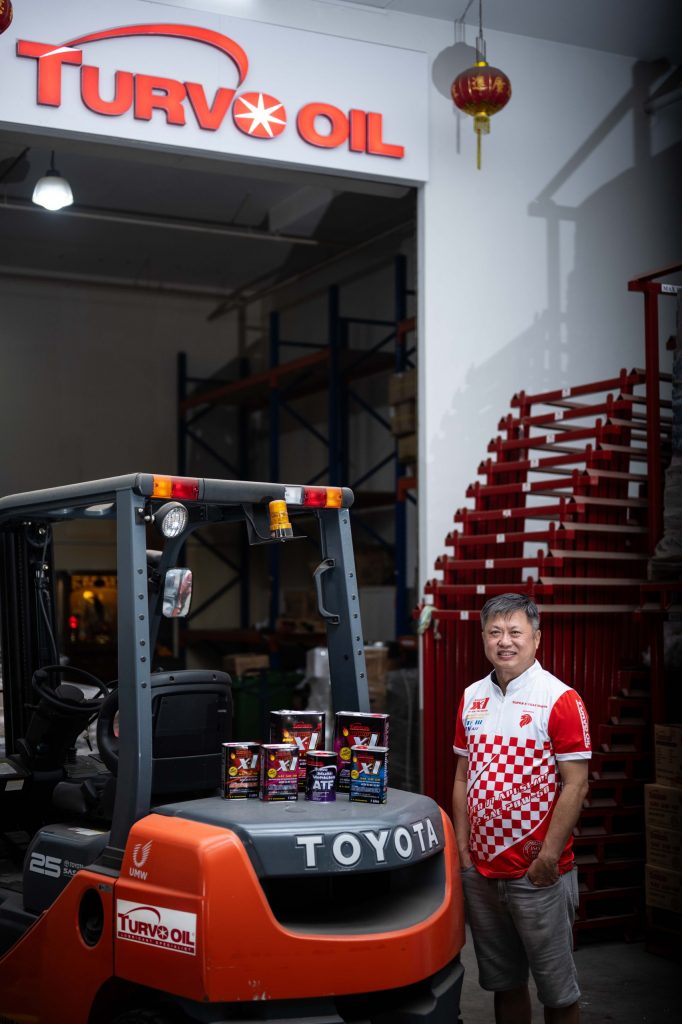
Turvo Oil is committed to providing the Australian energy and industrial sectors with high-quality transformer oils that meet the most demanding standards. Our products are manufactured to the highest quality standards and are fully compliant with IEC 60296 and AS 60296.
We offer a comprehensive range of transformer oils to meet all your needs:
Premium Mineral Oils: We supply both Type A (inhibited) and Type B (uninhibited) mineral transformer oils, suitable for all standard power and distribution transformer applications. Our mineral oils are refined from high-quality naphthenic crude and meet or exceed all IEC and Australian standard requirements.
High-Performance Ester Fluids: For applications requiring enhanced fire safety and environmental protection, we offer both synthetic and natural ester transformer fluids. These K-class fluids provide superior fire resistance and are biodegradable, making them ideal for high-risk or environmentally sensitive locations.
Expert Technical Support: Our team has deep expertise in transformer oils and is ready to help you select the right product for your needs. We can provide advice on oil selection, interpret test results, and help you develop a comprehensive transformer maintenance program.
Reliable Supply: With our established supply chain and local presence in Australia, we ensure that you have access to the products you need, when you need them. We understand that transformer projects and maintenance schedules cannot wait, and we make it our priority to deliver on time, every time.
Conclusion
Choosing the right transformer oil and supplier is a critical decision that impacts the reliability, safety, and longevity of your electrical assets. By understanding the different types of oil available, the importance of standards compliance, and the value of a knowledgeable supplier, you can make an informed choice that protects your investment and ensures the continuous, safe operation of your transformers.
Transformer oil is not just a commodity, it is a critical component of your electrical infrastructure. Partnering with a quality supplier like Turvo Oil ensures that you have access to the best products, the most knowledgeable technical support, and the most reliable service in the Australian market.
Frequently Asked Questions About Transformer Oil in Australia
1. What is the main function of transformer oil?
Transformer oil serves two primary functions: it provides electrical insulation between the internal components of the transformer, preventing electrical arcing and short circuits, and it acts as a coolant, dissipating the heat generated during operation. Without adequate insulation and cooling, a transformer would quickly fail.
2. What is the difference between inhibited and uninhibited transformer oil?
Inhibited oil (Type A) contains an antioxidant additive that slows down the oxidation process, making it suitable for high-stress applications and extending the oil’s service life. Uninhibited oil (Type B) does not contain this additive and is used in less demanding transformers or where regular maintenance and monitoring are in place.
3. How often should transformer oil be tested?
Testing frequency depends on the transformer’s age, size, and criticality. As a general rule, annual testing is recommended for most distribution and power transformers. Critical assets may require more frequent monitoring, such as quarterly or even monthly testing. New transformers may only need testing every 2-3 years initially.
4. Can transformer oil be recycled?
Yes. Used transformer oil can be recycled through a process called re-refining, where contaminants and decay products are removed, and the oil is restored to a like-new condition. This is both cost-effective and environmentally responsible. Many Australian waste management companies offer transformer oil recycling services.
5. What are the benefits of synthetic ester transformer oil?
Synthetic esters offer several significant advantages over mineral oil: they have a much higher fire point (over 300°C), making them much safer in high-risk locations; they are readily biodegradable, reducing environmental impact; and they have excellent thermal stability, making them suitable for high-load applications. The main drawback is their higher initial cost, though this is often offset by their superior performance and safety benefits.
Also, check out our guides on industrial lubricants, engine oils for fleet maintenance and engine coolants.