


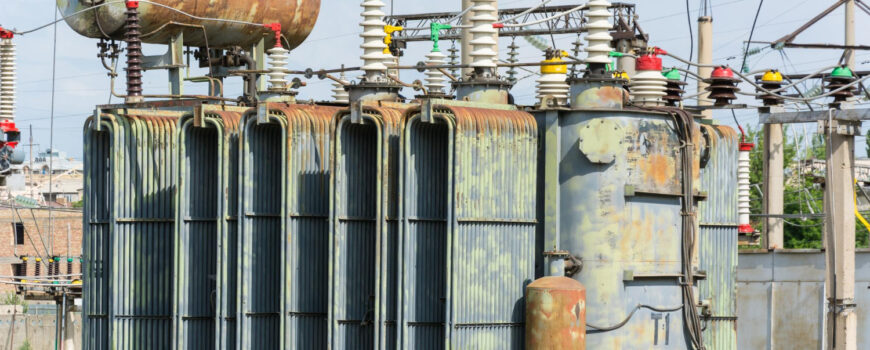
When selecting a transformer oil, one of the most fundamental decisions is the choice between traditional mineral oil and modern synthetic or natural esters. With Australia’s diverse climate, increasing focus on fire safety, and growing environmental awareness, understanding the differences between these oil types is crucial.
This guide compares mineral, synthetic, and natural ester transformer oils to help you make the best choice for your Australian application.
Mineral Transformer Oil: The Industry Standard
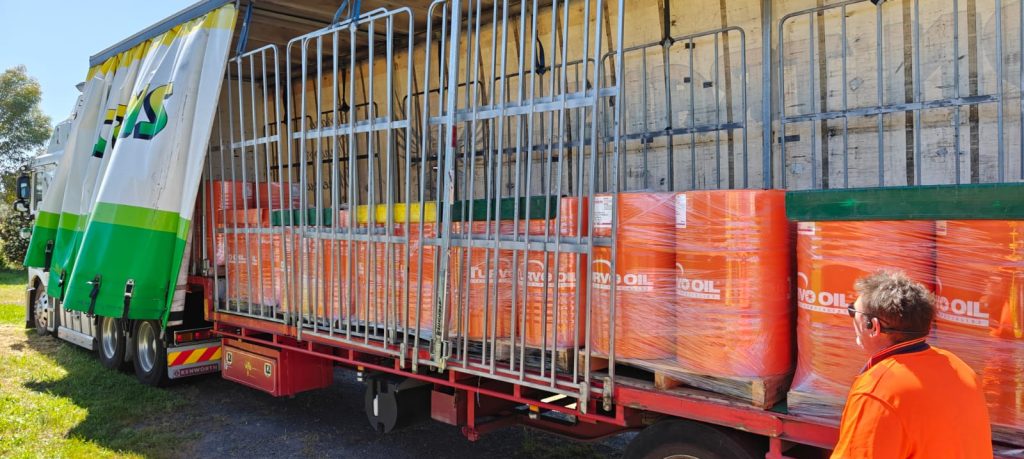
For over a century, mineral oil has been the mainstay of the transformer industry worldwide, and it remains the most widely used transformer fluid in Australia today. Refined from naphthenic or paraffinic crude oil through a rigorous purification process, mineral oil offers a proven, cost-effective solution with excellent electrical insulating and cooling properties.
Mineral transformer oil is produced by refining crude oil to remove impurities, waxes, and other components that would interfere with its electrical and thermal properties. Naphthenic oils, which are derived from naphthenic crude, are preferred for transformer applications because they have better low-temperature properties and remain fluid at lower temperatures than paraffinic oils. This is particularly important in Australia’s cooler regions, where transformers may experience cold winter temperatures.
The primary advantages of mineral transformer oil are its low cost, wide availability, and well-understood performance characteristics. Mineral oil has been used in transformers for over 100 years, and its behavior is thoroughly documented. Maintenance practices, testing procedures, and fault diagnosis methods have all been developed and refined over decades of experience with mineral oil. This wealth of knowledge makes mineral oil a safe, reliable choice for standard applications.
The main disadvantages of mineral oil are its flammability and environmental impact. Mineral oil has a fire point of around 140-160°C, which means it can ignite if exposed to a sufficiently hot ignition source. While transformer fires are relatively rare, when they do occur, they can be catastrophic, particularly in indoor or underground installations. Mineral oil is also not readily biodegradable, and spills can persist in the environment for extended periods.
Mineral transformer oil is best for the vast majority of standard power and distribution transformers where fire risk is low and cost is a primary consideration. It remains the default choice for most utility applications in Australia, particularly for pole-mounted distribution transformers and outdoor substation transformers where fire risk is minimal.
Synthetic Ester Transformer Oil: The High-Performance Choice
Synthetic esters represent a significant advancement in transformer fluid technology. These oils are chemically synthesized to have very specific molecular structures, resulting in superior performance characteristics compared to mineral oil. While they have been used in specialty applications for decades, they have become increasingly popular in recent years as awareness of their benefits has grown.
Synthetic esters are manufactured through a chemical reaction between organic acids and alcohols, producing ester molecules with carefully controlled properties. The most common synthetic esters used in transformers are based on polyol esters or pentaerythritol esters.
The primary advantages of synthetic ester transformer oil are:
Superior Fire Safety is the most significant advantage. Synthetic esters have a fire point exceeding 300°C, compared to around 150°C for mineral oil. This dramatically reduces the risk of a transformer fire. They are classified as K-class fluids by FM Global and similar organizations, meaning they are considered “less flammable” or “fire-resistant.” This classification can eliminate the need for expensive fire suppression systems and can allow transformers to be installed in locations where mineral oil transformers would not be permitted, such as inside buildings, in underground vaults, or in tunnels.
Excellent Thermal Stability means synthetic esters resist breakdown at high temperatures much better than mineral oil. This makes them suitable for high-load transformers or transformers operating in hot climates. The superior thermal stability also extends the life of the transformer’s solid insulation by reducing the rate of thermal aging.
Readily Biodegradable characteristics make synthetic esters an environmentally friendly option. If spilled, they break down naturally in the environment much more quickly than mineral oil, reducing long-term environmental impact. This is particularly important for transformers located near waterways or in environmentally sensitive areas.
The main disadvantage of synthetic esters is their higher initial cost. They typically cost 3-5 times more than mineral oil on a per-liter basis. However, this higher cost must be weighed against their benefits, including enhanced safety, extended asset life, and reduced environmental risk.
Synthetic ester transformer oil is best for high-risk locations such as indoor substations, underground vaults, tunnels, and buildings where a transformer fire could have catastrophic consequences. It is also ideal for high-value or critical transformers where the cost of a failure would far exceed the additional cost of the ester fluid. Many utilities are now specifying synthetic esters for all new indoor transformer installations as a matter of policy.
Natural Ester Transformer Oil: The Green Alternative
Natural esters, derived from renewable vegetable sources like soy, canola, or sunflower oil, are becoming an increasingly popular choice, particularly for distribution transformers. They offer many of the same benefits as synthetic esters, particularly in terms of fire safety and environmental performance, at a lower cost.
Natural esters are produced by refining and treating vegetable oils to meet the electrical and physical requirements for transformer use. The triglyceride molecules in vegetable oil have excellent dielectric properties and high fire points, making them suitable for transformer applications.
The primary advantages of natural ester transformer oil are:
High Fire Point is comparable to synthetic esters, typically exceeding 300°C. Like synthetic esters, natural esters are classified as K-class fluids, providing superior fire safety compared to mineral oil. This makes them suitable for the same high-risk applications as synthetic esters.
Fully Biodegradable characteristics make natural esters the most environmentally friendly transformer fluid available. They are derived from renewable resources and break down rapidly in the environment if spilled. Some natural esters are even certified as non-toxic to aquatic life, making them ideal for transformers located near waterways or in ecologically sensitive areas.
Excellent Moisture Tolerance is a unique advantage of natural esters. They can absorb much more water than mineral oil without suffering a significant reduction in dielectric strength. This property can actually extend the life of the transformer’s solid insulation by keeping it drier. Moisture migrates from the paper insulation into the oil, and natural esters can hold this moisture without degrading, whereas mineral oil would quickly lose its dielectric strength.
The main disadvantage of natural esters is that they can be more prone to oxidation at very high temperatures compared to synthetic esters. They also have higher viscosity at low temperatures, which can affect cooling performance in very cold climates. However, for most Australian applications, these are not significant concerns.
Natural ester transformer oil is best for distribution transformers, especially in urban or environmentally sensitive locations. It is also excellent for retro-filling existing mineral oil transformers to improve fire safety. Many utilities are now using natural esters as their standard fluid for all new distribution transformer installations.
Performance Comparison for Australian Conditions
To help you make an informed decision, here is a comprehensive comparison of the three types of transformer oil across key performance parameters:
| Feature | Mineral Oil | Synthetic Ester | Natural Ester |
| Fire Point | ~150°C | >300°C (K-Class) | >300°C (K-Class) |
| Fire Classification | Flammable | Less Flammable | Less Flammable |
| Biodegradability | Poor (not readily biodegradable) | Readily Biodegradable | Fully Biodegradable (renewable) |
| Relative Cost | $ (baseline) | $$$ (3-5x mineral) | $$ (2-3x mineral) |
| Moisture Tolerance | Low (<30 ppm) | Good (~200 ppm) | Excellent (~400 ppm) |
| Oxidation Stability | Good (if inhibited) | Excellent | Good |
| Low-Temp Performance | Excellent | Good | Fair (higher viscosity) |
| Thermal Stability | Good | Excellent | Very Good |
| Environmental Impact | Moderate (petroleum-based) | Low (biodegradable) | Very Low (renewable, biodegradable) |
| Best Application | General Purpose, Outdoor | High-Risk, High-Temp, Indoor | Distribution, Environmental, Retro-fill |
| Typical Service Life | 20-40 years | 30-50+ years | 25-45 years |
Australian Climate Considerations

Australia’s diverse climate, from the tropical north to the temperate south, presents different challenges for transformer oils.
In Northern Australia in cities like Darwin, with its hot, humid climate, the key concerns are high operating temperatures and moisture ingress. All three oil types can handle high temperatures, but synthetic esters have an edge due to their superior thermal stability. Natural esters’ high moisture tolerance is also an advantage in humid climates, as they can absorb moisture without degrading.
In Southern Australia in cities like Sydney, with cooler winters, low-temperature performance becomes more important. Mineral oil has the best low-temperature properties, remaining fluid at lower temperatures than esters. Natural esters, with their higher viscosity, may be less ideal for very cold locations, though this is rarely a significant issue in most of Australia.
For Urban and Indoor Installations throughout Australia, fire safety is the primary concern. Both synthetic and natural esters offer superior fire resistance, making them the clear choice for these applications. The reduced fire risk can also lead to lower insurance premiums and eliminate the need for expensive fire suppression systems.
For Environmentally Sensitive Areas, such as near waterways, national parks, or protected habitats, the biodegradability of ester fluids is a major advantage. A spill of natural or synthetic ester will break down naturally and cause minimal long-term environmental damage, whereas a mineral oil spill can persist for years.
Total Cost of Ownership Analysis
While ester fluids have a higher upfront cost, they can offer a lower total cost of ownership in many applications when all factors are considered.
Initial Purchase Cost is higher for esters. A typical distribution transformer might contain 200-500 liters of oil. At 3-5 times the cost of mineral oil, the additional cost for synthetic ester could be $2,000-$5,000. For natural ester, the additional cost would be $1,000-$3,000.

Fire Suppression Systems can be eliminated or simplified when using ester fluids. For an indoor substation, a fire suppression system can cost $50,000-$200,000 or more. If the use of ester fluids eliminates the need for this system, the savings far exceed the additional cost of the fluid.
Insurance Premiums may be lower for transformers filled with ester fluids due to the reduced fire risk. While the savings vary depending on the insurer and the specific installation, they can be significant over the life of the transformer.
Extended Asset Life is a major benefit of ester fluids. Their superior thermal stability and, in the case of natural esters, high moisture tolerance, can extend the life of the transformer’s solid insulation. This can add years or even decades to the transformer’s service life, delaying the need for costly replacement.
Environmental Liability is reduced with biodegradable ester fluids. In the event of a spill, cleanup costs and environmental remediation costs are typically much lower for esters than for mineral oil.
When all these factors are considered, the total cost of ownership for a transformer filled with ester fluid is often lower than for a mineral oil-filled transformer, particularly for high-value or high-risk installations.
Making the Right Choice for Your Application
The choice between mineral and ester-based transformer oils depends on a careful assessment of risk, application, and budget. Here are some guidelines:
Choose Mineral Oil if you have a standard outdoor transformer installation with low fire risk, cost is a primary concern, and environmental impact is not a major consideration. Mineral oil remains the most economical choice for the vast majority of routine applications.
Choose Synthetic Ester if you have a high-risk installation (indoor, underground, tunnel), a high-value or critical transformer where reliability is paramount, or an application requiring operation at very high temperatures. The superior fire safety and thermal stability of synthetic esters justify their higher cost in these situations.
Choose Natural Ester if you have a distribution transformer in an urban or environmentally sensitive location, you want to improve fire safety without the full cost of synthetic ester, or you are retro-filling an existing transformer to improve its fire rating. Natural esters offer an excellent balance of performance, safety, and environmental responsibility at a moderate cost premium.
Turvo Oil Transformer Fluid Range
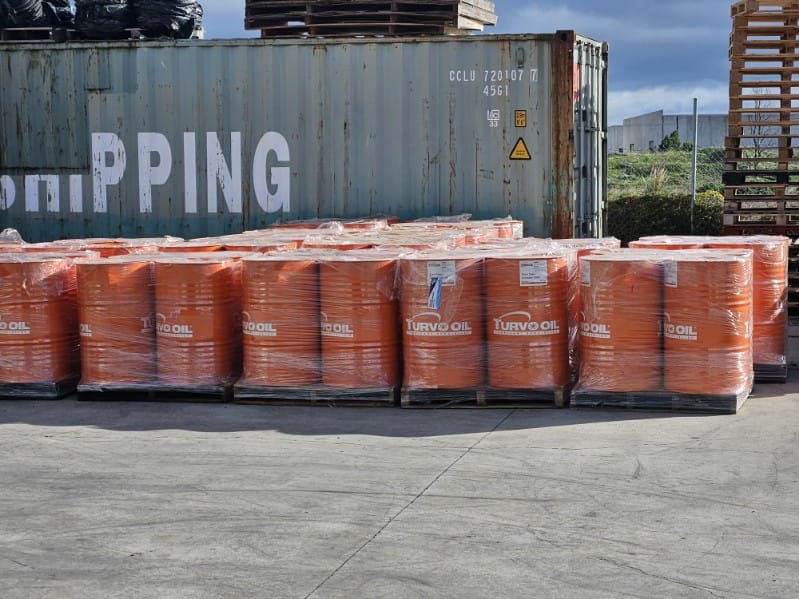
Turvo Oil Australia offers a comprehensive range of transformer fluids to meet all your needs:
Premium Mineral Oils: Our naphthenic mineral oils provide reliable, cost-effective performance for standard transformer applications.
High-Performance Synthetic Esters: For applications requiring the ultimate in fire safety and thermal performance, we offer synthetic ester fluids.
Natural Ester Fluids: Our natural ester transformer fluids are derived from renewable vegetable sources, are fully biodegradable, and offer excellent fire safety and moisture tolerance.
Our technical team can help you select the right fluid for your specific application, taking into account your risk profile, operating conditions, and budget.
Conclusion
The choice between mineral and ester-based transformer oils is not a simple one, but by understanding the strengths and limitations of each type, you can make an informed decision that optimizes safety, reliability, and cost for your specific application. While mineral oil remains the workhorse for many standard applications, the superior fire safety and environmental credentials of synthetic and natural esters make them the clear choice for high-risk, high-value, or environmentally sensitive locations across Australia.
As the Australian electrical industry continues to evolve, with increasing focus on safety and sustainability, ester-based transformer fluids are likely to play an increasingly important role. Partnering with a knowledgeable supplier like Turvo Oil ensures you have access to the full range of options and the expertise to make the best choice for your needs.
1. Can I mix mineral oil and ester fluids in a transformer?
While some ester fluids are technically miscible with mineral oil (meaning they will mix without separating), it is generally not recommended. Mixing will compromise the fire safety and environmental benefits of the ester fluid. If you are retro-filling a transformer from mineral oil to ester, it’s important to drain as much of the old mineral oil as possible—ideally 95% or more—before adding the ester fluid. Some manufacturers specify that no more than 5-7% mineral oil can remain for the transformer to be considered ester-filled.
2. Are ester fluids suitable for all types of transformers?
Ester fluids can be used in most types of transformers, including power transformers, distribution transformers, and some types of tap changers. However, some older transformer designs may not be compatible with esters due to seal materials or other factors. It’s important to consult with the transformer manufacturer before retro-filling an existing transformer with ester fluid. For new transformers, most manufacturers now offer ester-filled options as standard.
3. Does using an ester fluid change maintenance requirements?
Maintenance practices are similar for ester-filled and mineral oil-filled transformers, but there are some differences. The interpretation of some tests, particularly DGA, can be different for ester fluids, as they produce different gases when they break down. It’s important to work with a testing laboratory that is experienced in analyzing ester-filled transformers. Ester fluids also have different moisture saturation limits, so the acceptable moisture content is higher than for mineral oil.
4. How do ester fluids perform in the Australian climate?
Both synthetic and natural esters perform well across the full range of Australian climate conditions. They handle high temperatures better than mineral oil due to their superior thermal stability. In cooler climates, natural esters have slightly higher viscosity than mineral oil, which can affect cooling performance in very cold conditions, but this is rarely a significant issue in Australia. Overall, esters are well-suited to Australian conditions.
5. What is the environmental impact if there is a spill?
Mineral oil is a petroleum product and is not readily biodegradable. A spill can persist in the environment for years and can contaminate soil and water. Cleanup and remediation can be costly. Synthetic and natural esters, on the other hand, are readily or fully biodegradable. They break down naturally in the environment, typically within weeks to months. The environmental impact of an ester spill is much lower, and cleanup costs are typically reduced. This makes esters the preferred choice for transformers located near waterways or in environmentally sensitive areas.
We also have a more comprehensive guide on all things related to transformer oil.