


Hot, humid climates like Singapore and tropical parts of Australia place enormous thermal stress on automotive engines. When temperatures soar and traffic stalls, an engine’s cooling system becomes the last line of defence against catastrophic overheating.
That cooling system relies on engine coolant, a mixture of water and antifreeze, to absorb heat and regulate temperature. At the same time, the engine’s lubricating oil must remain within its ideal viscosity range, which can only happen when the engine stays cool. For businesses that supply engine oil and lubricants in both Singapore and Australia, educating customers about proper coolant and oil maintenance not only builds trust, it also helps drivers avoid costly engine repairs.
This guide synthesises best practices from authoritative automotive organisations and lubricant manufacturers to explain what engine coolant is, how it works, when to check and top it up, and why using the right coolant and oil matters. It also addresses common misconceptions such as confusing coolant with antifreeze and mixing different coolant types and provides a maintenance checklist tailored to tropical climates.
What Is Engine Coolant and How Does It Differ From Antifreeze?
Engine coolant is a liquid mixture, usually 50 % water and 50 % antifreeze, that circulates through an engine to manage heat. The water component has excellent heat‑transfer capacity, but its boiling and freezing points are unsuitable for engine operation. Pure water boils at 212 °F (100 °C) and freezes at 32 °F (0 °C); these limits mean water alone cannot provide boil‑over protection in hot weather or freeze protection in cold conditions.
When water is blended with antifreeze, typically ethylene glycol (EG) or propylene glycol (PG), the boiling point increases to around 265 °F (129 °C) and the freezing point drops to roughly –34 °F (–37 °C). This expanded temperature range allows the coolant to perform in summer heat, winter cold and under the hood in a hard‑working engine.
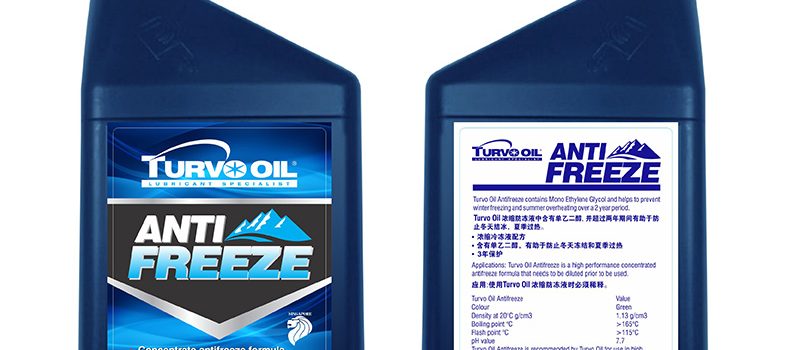
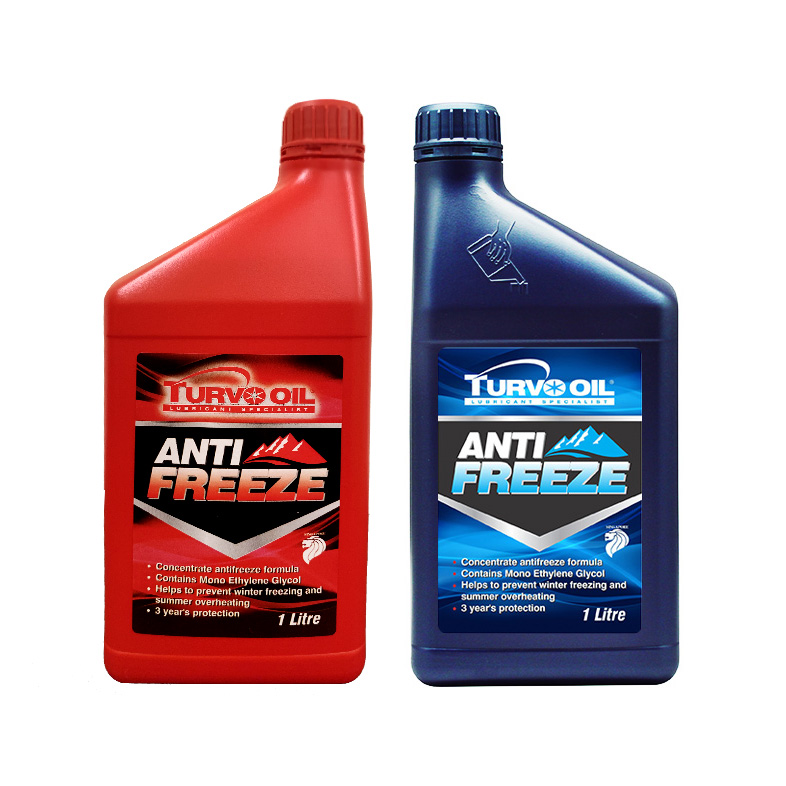
Antifreeze is the concentrated glycol‑based additive (usually coloured) that must be diluted before use. TotalEnergies notes that antifreeze and engine coolant are related but not identical; antifreeze is a glycol liquid which, when mixed with water, becomes coolant.
Modern coolants are categorised by their corrosion inhibitors: inorganic additive technology (IAT), organic acid technology (OAT) and hybrid organic acid technology (HOAT). Each formulation uses different inhibitors (silicates, organic acids or combinations) and is often identified by colour (e.g., green IAT, orange OAT), though the colour alone is no longer a reliable guide.
Why Engine Coolant Matters in Singapore and Australia
In tropical climates, ambient temperatures regularly exceed 30 °C (86 °F) and vehicles spend long periods idling in traffic. High humidity reduces the effectiveness of radiators, making coolant quality and level critical for preventing overheating.
The AA reminds drivers that most modern cars have sealed cooling systems and shouldn’t need frequent top‑ups unless there’s a leak, but it’s wise to check the coolant every couple of weeks. Low coolant levels can cause the engine to overheat, leading to warped cylinder heads, blown head gaskets and costly repairs.
In diesel engines, overheating can degrade the oil film, increasing friction and wear. Conversely, sufficient coolant keeps temperatures within design limits, preserving oil viscosity and ensuring lubricating properties.
Propylene‑glycol‑based coolants may be preferable for vehicles operating in environmentally sensitive areas (e.g., national parks) because PG is biodegradable and less toxic than EG. However, EG generally provides slightly better heat‑transfer performance. Drivers should follow the manufacturer’s recommendation for coolant type and mixture ratio to maximise protection and performance.
Signs of Cooling System Problems
- Low Coolant Warning Light: Many cars have a dashboard warning light indicating low coolant. If the light is on, do check the coolant level and top up if necessary or have a mechanic inspect the system. An amber light often means the level is low, while a red light signals overheating.
- Temperature Gauge Rising: A rising temperature gauge could signal inadequate coolant circulation. If the gauge moves toward the red zone, pull over safely and allow the engine to cool before checking the level.
- Sweet Smell or Visible Leaks: Coolant often has a sweet odour. Leaks leave green, orange or pink fluid under the vehicle and may indicate a cracked hose, faulty radiator cap or failing water pump.
- Brown or Bubbling Coolant: Brown, rusty coolant indicates corrosion or a head‑gasket issue; TotalEnergies recommends visiting a mechanic immediately to drain and assess the system.
- Engine Oil Contamination: Milky oil on the dipstick can result from coolant entering the oil system due to a blown gasket. In such cases, stop driving and seek professional repairs to prevent severe engine damage.
How to Check and Top Up Engine Coolant
To keep your engine cool and your oil healthy, perform the following routine (adapted from AA and TotalEnergies guides):
- Wait Until the Engine Is Cold: Never remove the coolant cap when the engine is hot. The AA advises waiting at least 30 minutes after turning off the engine to avoid scalding from pressurised hot coolant.
- Locate the Expansion Tank: Consult your owner’s manual to identify the coolant reservoir. Avoid confusing it with the screen‑wash, brake fluid or power‑steering reservoirs.
- Check the Level: The coolant should sit between the “min” and “max” markers on the reservoir If it’s below the minimum mark, continue with topping up; if it keeps dropping, investigate leaks.
- Inspect Hoses and Seals: While checking the level, look for wet or white‑stained areas around hoses and caps. These could signal impending leaks.
- Prepare the Mixture: Use a 50/50 mix of antifreeze and distilled water, unless your vehicle specifies a ready‑mixed coolant. TotalEnergies notes that some severe‑cold climates require a 70/30 ratio. Avoid mixing different coolant technologies (e.g., OAT with IAT) as it can create a gelatinous substance that blocks the system.
- Unscrew the Cap Carefully: Cover the cap with a cloth and unscrew slowly to release any residual pressure.
- Use a Funnel: Because coolant is toxic, use a funnel to avoid spills when topping up.
- Fill to the Max Marker: Pour the coolant mixture until the level reaches the maximum mark. Do not overfill; excess coolant can cause pressure issues.
- Replace the Cap Securely: Screw the cap back on until it clicks.
Choosing the Right Coolant for Your Vehicle
Different engines require specific coolant formulations. TotalEnergies’ ultimate guide lists several corrosion‑inhibitor types and their associated colours:
- IAT (Inorganic Additive Technology) – Silicate‑based; typically green; requires change every 2 years or 30,000 km.
- OAT (Organic Acid Technology) – Uses organic acids (often orange) and lasts up to 5 years or 100,000 km.
- HOAT (Hybrid OAT) – Combines silicates with organic acids; colours include turquoise, yellow or purple.
- Si‑OAT / P‑HOAT – Variants with silicates or phosphates; colours vary.
Drivers should always consult the owner’s manual and avoid using colour alone to identify coolant type. Prestone warns that mixing incompatible coolants can create a gelatinous substance and cause severe engine damage. For fleet operators or drivers uncertain about existing coolant, Prestone recommends using a universal OAT‑based coolant that’s compatible with all colours and technologies.
Understanding Coolant Breakdown and Maintenance Intervals
Even properly mixed coolant degrades over time. BG Products explains that coolant breakdown occurs because of oxidation, contamination and corrosion. As the fluid ages, its protective additives deplete, resulting in acid formation, sludge and reduced heat‑transfer capability. Consequences include overheating, diminished lubrication and corrosion damage.
To prevent breakdown:
- Inspect and Test Coolant Periodically: Mechanics can measure pH and freeze point. Replace coolant when it’s outside the recommended range.
- Replace Coolant on Schedule: Silicate‑based coolants typically require replacement every 2 years/30,000 km, whereas extended‑life OAT coolants may last 5 years/100,000km.
- Use Correct Coolant Type: Always use the manufacturer‑specified coolant; mixing can shorten the service life.
- Address Leaks Promptly: Leaks lead to contamination and can introduce oil or debris into the coolant system.
- Maintain the Cooling System: Inspect hoses, the radiator, thermostat and water pump. Replace faulty components to ensure proper circulation.
How Coolant and Oil Work Together
Engine oil lubricates moving parts, reducing friction and wear. However, oil’s ability to lubricate depends on its viscosity remaining within a specific range. Overheated oil thins out, reducing film strength, while oil that runs too cold becomes thick and sluggish.
A well‑maintained cooling system keeps the engine operating at the correct temperature, which helps the oil maintain optimal viscosity. Conversely, contaminated or low coolant leads to overheating, which can cause oil oxidation, sludge and varnish formation.
Many lubricant manufacturers also stress that coolant must also protect against corrosion, cavitation and scaling. Inorganic salts used in conventional coolants form a protective layer but can deplete quickly, leading to scale and drop‑out.
Organic acid technology (OAT) coolants offer longer‑lasting protection and reduce incompatibility issues. For drivers in humid climates, using an OAT or HOAT coolant paired with a high‑quality synthetic engine oil can help maintain engine cleanliness and longevity.
Mixing Coolants: Dos and Don’ts
Mixing different types of coolant should be avoided. Prestone emphasises these dos and don’ts:
- Do check the owner’s manual to identify the correct coolant type.
- Do maintain the coolant level at the “max” marker and inspect it as often as you check the oil.
- Do flush the cooling system at recommended intervals rather than simply topping it up.
- Don’t rely on colour to determine coolant type; colours are no longer standardised.
- Don’t mix OAT and IAT coolants unless you are sure they are compatible. Mixing incompatible types can produce a sludge that blocks passages and causes overheating.
- Don’t hesitate to change coolant because of mixing fears; instead, drain and refill with a suitable universal coolant if unsure.
Practical Maintenance Checklist for Singapore & Australia Drivers
- Regular Visual Checks: Inspect coolant and oil levels every fortnight. Top up coolant if near the minimum line and investigate sudden drops.
- Seasonal Servicing: Although Singapore and northern Australia do not experience freezing winters, monsoon seasons cause heavy rain and flooding. After driving through water, check for leaks or contamination.
- Use Distilled Water: Hard water can react with inorganic salts, forming scale deposits that impair heat transfer. Use distilled water when mixing coolant.
- Consider High‑Performance Coolants: OAT or hybrid coolants provide extended service intervals and better protection against scale and cavitation. Businesses supplying engine oil should stock a range of OAT coolants to meet modern vehicle requirements.
- Pair With Quality Engine Oil: In high‑heat environments, synthetic oils maintain viscosity better than mineral oils. Encourage customers to choose oils meeting international specifications (e.g., ACEA or API) suitable for their engines.
- Educate Customers: Provide quick reference cards or online guides summarising the steps for checking coolant and oil. Links to internal resources (e.g., “how to choose the right engine oil”) improve engagement and SEO.
Conclusion
A well‑maintained cooling system is critical to engine health, particularly in the hot, stop‑and‑go conditions common in Singapore and Australia. Engine coolant, a 50/50 mix of water and antifreeze, absorbs heat and prevents freezing, while engine oil lubricates and protects moving parts.
Neglecting coolant maintenance leads to overheating, oil breakdown and expensive repairs.
We recommend following the best practices outlined:
- choosing the right coolant
- checking levels regularly
- avoiding incompatible mixtures
- replacing coolant at recommended intervals
Drivers can extend engine life and maintain optimal performance.
For businesses, supplying engine oil and lubricants, providing clear maintenance guides and offering high‑quality, compatible coolant products will not only improve customer satisfaction but also boost trust.
Also, check out our guides on engine oils, transformer oils and industrial lubricants in Australia.