


For Australian utility providers and industrial asset managers, a transformer is a multi-million dollar asset that is expected to provide reliable service for decades. The key to achieving this longevity lies in a proactive maintenance program, with transformer oil testing at its core. This guide provides an essential overview of transformer oil testing and maintenance for Australian operators.
Why Regular Transformer Oil Testing is Non-Negotiable
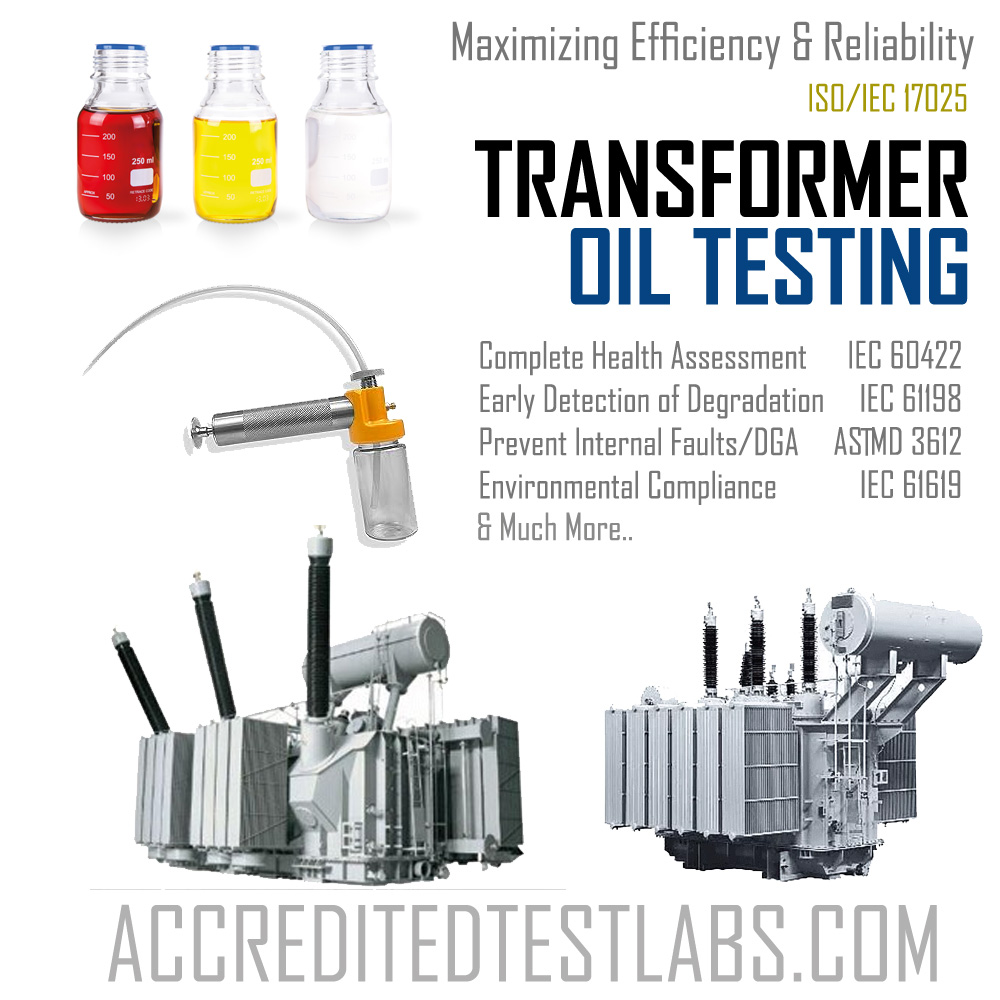
A transformer’s internal components, the windings, core, and insulation, are sealed inside a steel tank and cannot be directly inspected without a costly and time-consuming shutdown. However, the transformer oil can be easily sampled and analyzed to provide a detailed snapshot of the transformer’s internal health. This makes oil analysis a powerful predictive maintenance tool.
Regular oil testing can detect incipient faults long before they lead to a catastrophic failure. Developing problems like overheating, partial discharge, or arcing produce characteristic changes in the oil that can be detected through testing. By identifying these issues early, you can schedule maintenance during planned outages, avoiding costly and disruptive emergency shutdowns.
Oil testing also allows you to assess oil condition and determine if the oil is still fit for service or if it needs filtration, reclamation, or replacement. Oil degrades over time due to oxidation, moisture ingress, and contamination. Regular testing tracks this degradation and tells you when intervention is needed.
A proactive maintenance program based on oil analysis can extend asset life significantly. By maintaining the oil in good condition and addressing problems early, you can add years or even decades to the operational life of a transformer. Given that a large power transformer can cost several million dollars to replace, the return on investment from a robust oil testing program is substantial.
Finally, oil testing helps prevent unplanned outages. Transformer failures are often sudden and catastrophic, resulting in extended outages, damage to other equipment, and potential safety hazards. By monitoring the health of your transformers through oil analysis, you can identify units that are at risk and take action before they fail, ensuring a stable and reliable power supply.
Key Transformer Oil Tests Explained
A comprehensive oil analysis program includes a suite of tests, each providing a different piece of the diagnostic puzzle. Understanding what each test measures and why it’s important is essential for interpreting results and making informed maintenance decisions.
| Test | What it Measures | Why it’s Important | Typical Limits |
| Dissolved Gas Analysis (DGA) | Gases dissolved in the oil | The single most powerful diagnostic tool for detecting internal transformer faults | Varies by gas type |
| Breakdown Voltage | The oil’s ability to withstand electrical stress | A primary indicator of the oil’s insulating capability | >30 kV (new oil), >25 kV (in-service) |
| Moisture Content | The amount of water dissolved in the oil | Water drastically reduces the oil’s dielectric strength and accelerates aging | <30 ppm (new), <35 ppm (in-service) |
| Acidity (TAN) | The level of acidic compounds in the oil | Acidity indicates oil oxidation and can lead to corrosion of internal components | <0.2 mg KOH/g (new), <0.5 mg KOH/g (in-service) |
| Interfacial Tension (IFT) | The tension at the oil-water interface | A sensitive indicator of soluble contaminants and oil decay products | >40 mN/m (new), >25 mN/m (in-service) |
| Color | The visual appearance of the oil | A basic indicator of oil condition; darkening suggests oxidation or contamination | <0.5 (new), <3.0 (in-service) |
| Dielectric Dissipation Factor | Energy loss in the oil when subjected to an AC field | Indicates the presence of contaminants or moisture | <0.5% at 90°C |
Understanding Dissolved Gas Analysis (DGA)
Dissolved Gas Analysis is the cornerstone of transformer oil analysis and the most powerful tool for detecting internal transformer faults. As a transformer operates, the oil and solid insulation break down under thermal and electrical stress, producing various gases. The type and quantity of these gases provide a unique signature for different types of faults.
The key gases monitored in DGA are:
Acetylene (C2H2) is produced by high-energy arcing, typically above 700°C. The presence of acetylene is a serious concern and indicates a fault that requires immediate attention. Arcing can occur due to poor connections, tracking across insulation, or breakdown of the dielectric.
Hydrogen (H2) is produced by partial discharge (corona) or by low-energy arcing. It can also be generated by overheating of the oil at moderate temperatures. Hydrogen is often the first gas to appear when a fault is developing, making it an important early warning indicator.
Ethylene (C2H4) suggests severe overheating of the oil, typically above 300°C. This can occur due to circulating currents in the core, hot spots in the windings, or poor oil circulation.
Methane (CH4) and Ethane (C2H6) indicate lower-temperature overheating of the oil, typically in the range of 150-300°C. These gases are produced when the oil is subjected to sustained thermal stress.
Carbon Monoxide (CO) and Carbon Dioxide (CO2) are produced by the breakdown of cellulose insulation (paper and pressboard). A high CO/CO2 ratio suggests that the solid insulation is overheating, which is a serious concern as it can lead to insulation failure.
By trending DGA results over time and using established interpretation methods (such as the Rogers Ratio Method, Duval Triangle, or Key Gas Method), you can diagnose the type and severity of faults in your transformers and make informed maintenance decisions.
Breakdown Voltage Testing
Breakdown voltage, also called dielectric strength, is a measure of the oil’s ability to withstand electrical stress without breaking down and conducting electricity. It is one of the most basic and important tests for transformer oil.
The test involves placing a sample of oil between two electrodes and gradually increasing the voltage until the oil breaks down and a spark jumps across the gap. The voltage at which this occurs is the breakdown voltage.
New transformer oil typically has a breakdown voltage of 60-70 kV or higher. However, even small amounts of moisture or particulate contamination can dramatically reduce this value. For in-service oil, a breakdown voltage of 25 kV or higher is generally considered acceptable, though higher values are always better.
If the breakdown voltage falls below acceptable limits, the oil should be filtered and dehydrated to remove moisture and particles. This process can usually restore the oil’s dielectric strength to acceptable levels.
Moisture Content Analysis

Water is one of the most damaging contaminants in transformer oil. Even small amounts of moisture can significantly reduce the oil’s dielectric strength, accelerate oxidation, and cause corrosion of internal components. Moisture also migrates into the solid insulation, where it reduces its mechanical strength and dielectric properties.
Moisture can enter a transformer through several pathways: through the breather (if it is not properly maintained), through leaking gaskets or seals, or through condensation if the transformer is allowed to cool down while exposed to humid air.
The acceptable moisture content for transformer oil depends on the voltage class of the transformer. For distribution transformers (up to 69 kV), a moisture content of up to 35 ppm is generally acceptable. For transmission transformers (above 230 kV), the limit is typically 20 ppm or lower.
If moisture content exceeds acceptable limits, the oil should be dehydrated using a vacuum dehydration plant. This process removes water by exposing the oil to a high vacuum at elevated temperature, causing the water to evaporate.
Acidity and Interfacial Tension

As transformer oil ages, it oxidizes, forming acidic compounds and other decay products. These changes can be tracked by measuring the oil’s acidity (Total Acid Number, or TAN) and its interfacial tension (IFT).
Total Acid Number (TAN) is a measure of the acidic compounds in the oil. It is determined by titrating a sample of oil with a base and measuring how much base is required to neutralize the acids. TAN is expressed in milligrams of potassium hydroxide (KOH) per gram of oil.
New oil has a very low TAN, typically less than 0.03 mg KOH/g. As the oil ages, TAN increases. A TAN of 0.5 mg KOH/g is generally considered the limit for in-service oil. Beyond this point, the oil should be reclaimed or replaced, as the acidic compounds can corrode internal components and accelerate further degradation.
Interfacial Tension (IFT) is a measure of the tension at the interface between oil and water. It is a sensitive indicator of soluble contaminants and oil decay products. As the oil ages and oxidizes, polar compounds form, and these reduce the IFT.
New oil has an IFT of 40-50 mN/m. For in-service oil, an IFT of 25 mN/m or higher is generally acceptable. If IFT falls below this level, it indicates significant oil degradation, and the oil should be reclaimed or replaced.
Transformer Oil Maintenance Best Practices
When oil analysis indicates a problem, several maintenance actions can be taken to restore the oil’s condition or address the underlying issue.
Filtration and Dehydration are used when the oil has high moisture or particulate contamination. The oil is circulated through a purification plant, which uses a combination of filtration and vacuum dehydration to remove water and solid particles. This process can restore the oil’s dielectric strength and extend its service life. Filtration is a routine maintenance activity and should be performed whenever breakdown voltage or moisture content exceeds acceptable limits.
Degassing removes harmful dissolved gases from the oil. This is particularly important after a fault has been detected and repaired, as the gases produced by the fault can remain dissolved in the oil and interfere with future DGA testing. Degassing is typically performed using a vacuum dehydration plant, which removes both water and gases.
Oil Reclamation is used when the oil is oxidized, as indicated by high acidity (TAN) or low interfacial tension (IFT). The oil is treated with adsorbents, typically Fuller’s Earth (a type of clay), which remove acidic compounds and other decay products. The oil is circulated through a column packed with Fuller’s Earth, and the contaminants are adsorbed onto the clay. This process can restore the oil to a like-new condition, extending its service life by many years. Reclamation is often more cost-effective and environmentally friendly than replacing the oil entirely.
Inhibitor Top-Up is performed on inhibited oils when the antioxidant level falls below the recommended range. The inhibitor is consumed over time as it performs its function of preventing oxidation. When the inhibitor level drops below about 0.2%, it should be topped up to restore it to the maximum level of 0.3-0.4%. This extends the oil’s service life and prevents accelerated oxidation.
Oil Replacement is necessary when the oil is severely degraded and cannot be restored through reclamation, or when the transformer is being refurbished or upgraded. Complete oil replacement is a major undertaking, requiring the transformer to be drained, flushed, and refilled with new oil. It is typically only performed when the oil has reached the end of its service life or when the transformer is undergoing major maintenance.
Establishing a Testing Schedule
The frequency of oil testing depends on several factors, including the age of the transformer, its criticality, its loading, and its operating environment. As a general guideline:
New Transformers (less than 5 years old) operating under normal conditions may only require testing every 2-3 years. These transformers are unlikely to have developed significant problems, and the oil should still be in excellent condition.
Mature Transformers (5-20 years old) should be tested annually. These transformers are in their prime operating years, but regular monitoring ensures that any developing issues are caught early.
Aging Transformers (over 20 years old) should be tested annually or even more frequently if they are critical assets. Older transformers are more likely to develop faults, and the oil may be nearing the end of its service life.
Critical Transformers, regardless of age, should be tested more frequently, quarterly or even monthly. These are transformers whose failure would have severe consequences, such as those serving hospitals, data centers, or critical industrial processes.
After a Fault or Abnormal Event, a transformer should be tested immediately to assess the extent of any damage and to determine if the transformer can be returned to service safely.
Turvo Oil Testing and Maintenance Support
Turvo Oil is committed to supporting Australian utilities and industrial operators throughout the entire life cycle of their transformer assets. We offer:
-High-Quality Transformer Oils that meet or exceed all IEC and Australian standards, ensuring your transformers are filled with the best possible fluid.
-Technical Support and Advice from our team of experts, who can help you interpret oil test results, diagnose problems, and develop maintenance strategies.
-Connections to Accredited Testing Laboratories to ensure you have access to reliable, high-quality oil analysis services.
-Reclamation and Purification Services to extend the life of your transformer oil and reduce your total cost of ownership.
Conclusion
Regular transformer oil testing is not an expense; it’s an investment in the reliability and longevity of your most critical electrical assets. By implementing a robust oil analysis program, Australian utilities and industrial operators can move from a reactive to a predictive maintenance strategy, preventing failures, reducing costs, and ensuring a stable power supply.
The key to success is consistency. Regular testing, proper interpretation of results, and timely maintenance actions will keep your transformers running reliably for decades. Partnering with a knowledgeable supplier like Turvo Oil ensures you have the products, expertise, and support you need to achieve these goals.
We also have a guide on transformer oil selection.
Frequently Asked Questions About Transformer Oil Testing
1. How often should I perform a DGA test on my transformers?
For critical power transformers, annual DGA testing is standard practice. For less critical distribution transformers, testing every 2-3 years may be sufficient. However, if a fault is suspected—indicated by abnormal operating temperatures, unusual sounds, or protection relay operations—more frequent testing is required. Some utilities perform quarterly or even monthly DGA testing on their most critical assets.
2. What is the most critical parameter to monitor in transformer oil?
While all parameters are important, moisture content and dissolved gases (from DGA) are arguably the most critical. High moisture can lead to immediate failure by reducing dielectric strength, while DGA can indicate serious internal faults that, if left unaddressed, will lead to catastrophic failure. Acidity and interfacial tension are also important for tracking long-term oil degradation.
3. Can old transformer oil be reused?
Yes. Through a process called reclamation, old, oxidized oil can be restored to a like-new condition. The oil is treated with adsorbents like Fuller’s Earth, which remove acidic compounds and other decay products. This is often more cost-effective and environmentally friendly than replacing the oil entirely. Many transformers have operated for 50+ years on the same oil, reclaimed multiple times.
4. What does it mean if my DGA results show high hydrogen?
High hydrogen can indicate several different issues: partial discharge (corona), low-energy arcing, or overheating of the oil at moderate temperatures. The interpretation depends on the levels of other gases and the trend over time. If hydrogen is the only gas elevated, it often suggests partial discharge. If other gases like methane or ethylene are also elevated, it suggests thermal issues. A qualified analyst should interpret DGA results in the context of the transformer’s operating history.
5. How do I know when to reclaim vs. replace transformer oil?
The decision depends on the oil’s condition and the cost of reclamation vs. replacement. If the oil has high acidity (TAN > 0.5) or low interfacial tension (IFT < 25), but is not severely contaminated, reclamation is usually the best option. If the oil is heavily contaminated with PCBs, metals, or other substances that cannot be removed by reclamation, replacement may be necessary. Your oil supplier or testing laboratory can provide guidance based on your specific situation.