


For Australian transport companies, effective fleet maintenance is the backbone of the business. With vehicles covering vast distances across challenging terrain, the right engine oil is not just a consumable, it’s a critical asset that ensures reliability, reduces downtime, and controls operational costs. This guide covers everything on Engine Oils for Fleet Maintenance in Australia.
Why Fleet Maintenance Requires Specialized Engine Oil

Commercial fleets operate under conditions far more demanding than typical passenger vehicles. Constant use, heavy loads, long-haul journeys, and varied operating conditions generate immense heat and stress on engines. The consequences of engine failure in a commercial setting are severe: lost revenue from downtime, expensive repairs, and potential damage to customer relationships.
Specialized fleet engine oils are formulated to meet these unique challenges. They must withstand high temperatures generated by sustained highway driving and heavy loads, preventing oil breakdown and maintaining viscosity under extreme heat. They need to manage soot and contaminants more effectively than passenger car oils, as diesel engines produce significantly higher levels of combustion byproducts. They must provide superior wear protection to safeguard critical engine components under the stress of heavy loads and constant operation. Finally, they should support extended drain intervals where possible, reducing maintenance downtime and costs.
We also have a guide for choosing the best engine oil for Australian climates.
Types of Engine Oil for Commercial Fleets
Heavy-duty diesel engine oils are the standard for most commercial fleets in Australia. These oils are specifically designed to handle the high-compression, high-torque environment of diesel engines. They contain robust additive packages that provide enhanced protection against wear, oxidation, and deposit formation.
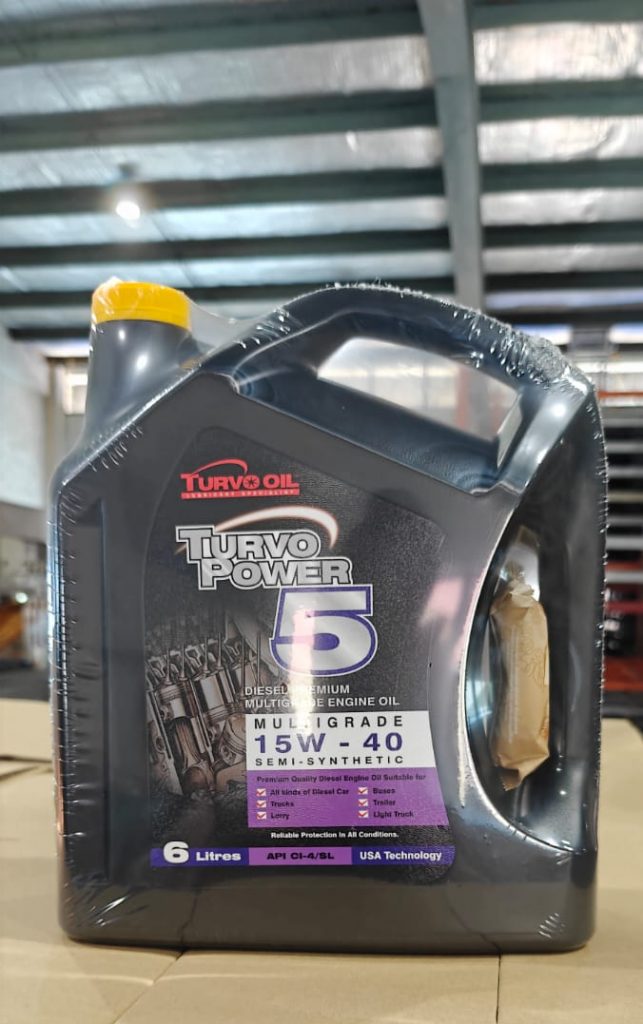
The most common viscosity grades for Australian fleets are 15W-40 and 10W-40. The 15W-40 grade has been the traditional workhorse of the transport industry, offering excellent protection in warm to hot conditions. The 10W-40 grade provides similar high-temperature protection while offering better cold-start performance, making it a good choice for fleets operating across varied climates.
For modern engines with exhaust after-treatment systems like Diesel Particulate Filters (DPFs), low-SAPS (Sulfated Ash, Phosphorus, and Sulfur) oils are essential. These oils are formulated with reduced levels of certain additives that can damage or clog DPFs, ensuring compliance with emission standards and protecting expensive exhaust components.
Heavy Duty Diesel Engine Oils vs Petrol Engine Oils
It’s crucial to understand that diesel and petrol engine oils are not interchangeable. Diesel engines produce much higher levels of soot and acidic combustion byproducts than petrol engines. Diesel engine oils are formulated with higher levels of dispersants to keep soot in suspension and higher Total Base Number (TBN) to neutralize acids.
Using a petrol engine oil in a diesel engine will result in poor soot control, leading to sludge formation and increased wear. Conversely, using a diesel oil in a petrol engine may cause issues with catalytic converters in modern vehicles. Always use the correct oil type for your engine.
Creating a Fleet Lubrication Program

A structured, proactive lubrication program is essential for maximizing fleet efficiency and minimizing total cost of ownership. A comprehensive program should include several key components.
Standardized Product Selection is the foundation of an effective program. Using a single, high-quality engine oil across the fleet (where possible) simplifies inventory management, reduces the risk of misapplication, and allows you to negotiate better pricing with your supplier. While some variation may be necessary for different engine types or operating conditions, minimizing the number of products in use streamlines operations.
Scheduled Oil Analysis is a powerful predictive maintenance tool. By regularly testing oil samples from your fleet, you can identify potential engine problems before they become catastrophic failures. Oil analysis can detect coolant leaks, fuel dilution, excessive wear, and oil degradation, allowing you to take corrective action early. It also provides objective data to support decisions about extending or shortening drain intervals.
Optimized Drain Intervals represent a significant opportunity for cost savings. While manufacturers provide recommended service intervals, these are often conservative. Through oil analysis and careful monitoring, many fleets can safely extend drain intervals, reducing both oil consumption and maintenance downtime. However, this must be done carefully and with proper monitoring to avoid engine damage.
Bulk Storage and Dispensing systems ensure product integrity and streamline the refueling process. Proper storage prevents contamination and degradation of the oil. Dedicated dispensing equipment reduces waste and ensures accurate record-keeping of oil consumption.
Cost Savings Through Bulk Engine Oil Purchasing
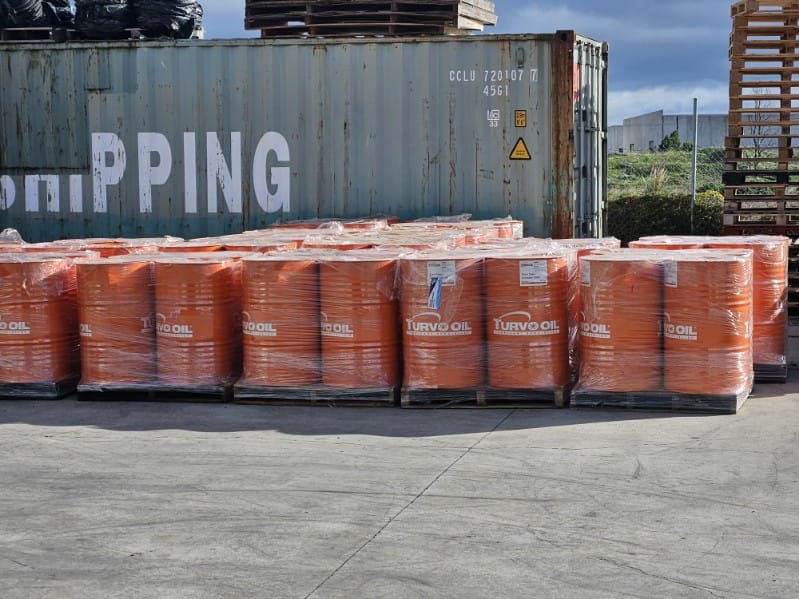
For transport companies, purchasing engine oil in bulk is one of the most straightforward ways to reduce operating costs. Buying in 200L drums or larger quantities (such as 1000L intermediate bulk containers) can dramatically reduce the per-liter cost compared to smaller containers.
Beyond the direct cost savings, bulk purchasing offers several operational benefits. It reduces the frequency of orders and deliveries, simplifying procurement. It minimizes packaging waste, supporting environmental goals. It ensures you always have adequate stock on hand, avoiding emergency purchases at premium prices.
When implementing bulk purchasing, ensure you have adequate storage facilities that protect the oil from contamination and extreme temperatures. Implement a first-in, first-out (FIFO) inventory system to ensure older stock is used first, and maintain clear labeling to prevent misapplication.
Turvo Oil Fleet Solutions for Australian Transport Companies
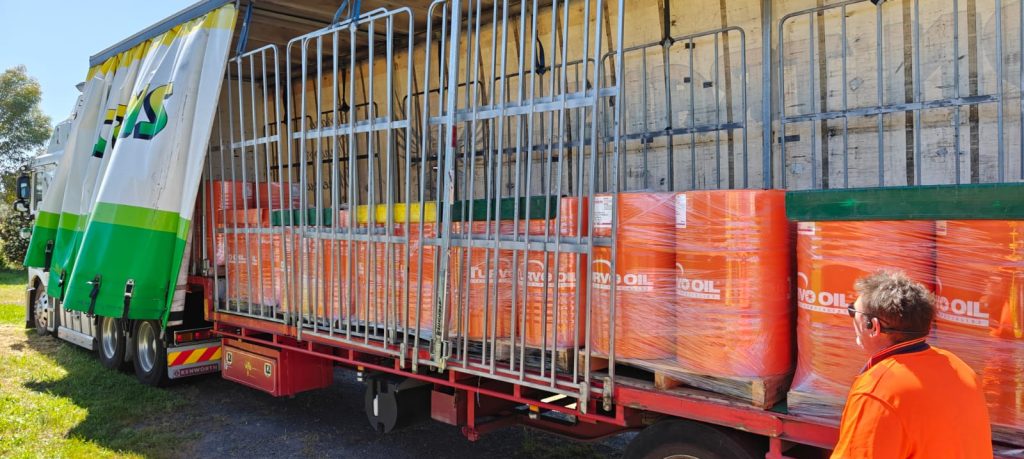
Turvo Oil offers a comprehensive range of heavy-duty diesel engine oils specifically designed for the demands of the Australian transport industry. Our TURVO POWER 5 and TURVO POWER 6 series provide exceptional protection for commercial diesel engines, with formulations that resist oxidation, control soot, and protect against wear.
We understand the needs of fleet operators and offer flexible bulk supply options to help you control costs. Our technical team can work with you to develop a customized lubrication program, including oil analysis services to help you optimize drain intervals and maximize equipment life.
With our NSW-based operations and efficient distribution network, we ensure reliable, on-time delivery across Australia. We know that your fleet can’t afford to wait for critical supplies, and we make it our priority to keep you running.
Check out our guide here for choosing suppliers for getting engine oil.
Conclusion
In the competitive Australian transport industry, a strategic approach to engine oil selection and management is a key competitive advantage. By choosing high-quality, specialized fleet oils, implementing a robust lubrication program, and leveraging bulk purchasing, you can enhance reliability, reduce downtime, and improve your bottom line.
The right oil supplier is a partner in your success. Turvo Oil is committed to providing Australian transport companies with premium products, expert technical support, and reliable service.
1. What is the most common engine oil for trucks in Australia?
A 15W-40 heavy-duty diesel engine oil is the most widely used viscosity grade for trucks and commercial vehicles in Australia. This grade provides excellent protection in warm to hot conditions, which characterize much of the country. It offers a good balance of wear protection, soot control, and thermal stability for typical fleet operations.
2. How can I extend oil drain intervals safely?
Implementing an oil analysis program is the safest way to extend drain intervals. Regular testing will determine the optimal change interval based on the actual condition of the oil and the health of the engine. Key parameters to monitor include TBN (Total Base Number), viscosity, oxidation, nitration, and wear metals. Start conservatively, gradually extending intervals while closely monitoring oil condition. Never extend intervals beyond the point where oil degradation or wear becomes evident.
3. Is it worth paying more for synthetic diesel engine oil?
For many modern fleets, synthetic diesel oils can be more cost-effective in the long run, despite their higher initial purchase price. They offer superior protection, particularly in extreme temperatures, resist oxidation better than mineral oils, and can often support significantly longer drain intervals. The extended service life can offset the higher cost, and the superior protection can reduce engine wear and extend equipment life. For fleets with modern, high-value equipment or those operating in demanding conditions, synthetic oils are often the better choice when total cost of ownership is considered.
Also, check out our guides on engine coolants, transformer oils and industrial lubricants in Australia.