


Australia’s diverse and often extreme climate presents unique challenges for vehicle and machinery maintenance. From the scorching heat of the Outback to the cooler temperatures of the southern states, choosing the right engine oil is crucial for optimal performance and engine longevity.
This guide will help you select the best engine oil for Australian climate conditions.
Understanding Australia’s Diverse Climate Zones

Australia is a continent of climatic extremes, and this diversity has significant implications for engine oil selection. The country can be broadly divided into several distinct climate zones, each presenting different challenges for lubricants.
Equatorial, Tropical, and Subtropical regions in northern Australia experience high humidity and consistently high temperatures year-round. Darwin, Cairns, and northern Queensland fall into this category. In these areas, engine oil must resist thinning in extreme heat while also coping with high moisture levels that can lead to condensation in the crankcase.
Desert and Grassland climates characterize much of central and western Australia. These regions experience scorching hot summers with temperatures regularly exceeding 40°C, combined with cooler winters. The extreme temperature range demands an oil that can maintain its protective properties across a wide spectrum of operating conditions.
Temperate zones along the southern and eastern coasts, including cities like Sydney, Melbourne, and Adelaide, have milder summers and cool, sometimes damp winters. While less extreme than the northern or central regions, these areas still require oils that can handle seasonal temperature variations.
How Temperature Affects Engine Oil Performance

Temperature has a profound effect on engine oil viscosity, its resistance to flow, which is the most important factor in oil selection. Understanding viscosity ratings is key to choosing the right oil for your climate.
Engine oils are rated using a two-number system, such as 10W-40. The first number, followed by the “W” (which stands for winter), indicates the oil’s flow characteristics at low temperatures. A lower number means the oil flows more easily in cold conditions, ensuring adequate lubrication during cold starts. The second number indicates the oil’s viscosity at normal operating temperatures (100°C). A higher number means the oil maintains a thicker protective film in high-heat conditions.
In hot climates, the primary concern is preventing the oil from becoming too thin at high operating temperatures. When oil becomes too thin, it cannot maintain an adequate protective film between metal surfaces, leading to increased wear. Conversely, in cooler climates, the oil must flow freely when the engine is started cold, ensuring rapid circulation and protection.
Viscosity Grades for Different Australian Regions
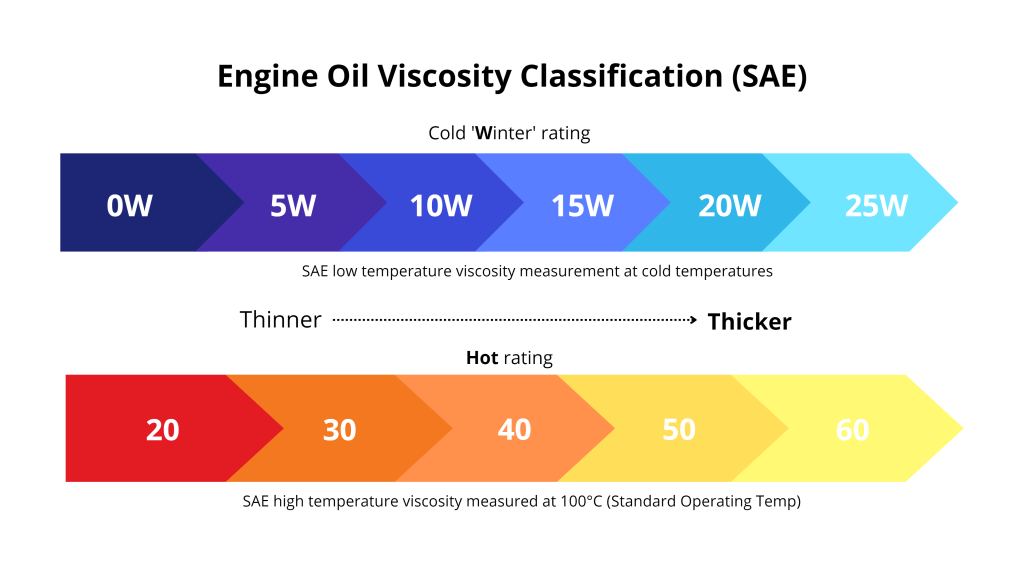
Selecting the appropriate viscosity grade for your region is crucial for optimal engine protection and performance.
| Region | Climate Characteristics | Recommended Viscosity | Rationale |
| Northern Australia | Hot, humid, minimal temperature variation | 15W-40, 15W-50 | Resists thinning in sustained high heat |
| Central Australia | Hot, dry, large day/night temperature swings | 10W-40, 15W-50 | Provides protection in extreme heat while handling cooler nights |
| Southern Australia | Temperate, cooler winters, warm summers | 5W-30, 10W-40 | Ensures good flow in cooler weather while protecting in summer |
| Coastal Areas | Moderate temperatures, high humidity | 10W-30, 10W-40 | Balanced protection with good moisture resistance |
It’s important to note that these are general recommendations. Always consult your vehicle’s owner’s manual for the manufacturer’s specific recommendations, as modern engines may have precise requirements.
Synthetic vs Mineral Oil in Australian Conditions
The choice between synthetic and mineral oil takes on added significance in the Australian climate.
Synthetic oils offer superior performance across a wide temperature range, making them an excellent choice for Australia’s varied conditions. They maintain their viscosity better in extreme heat, resisting breakdown and providing consistent protection even when operating temperatures soar. Equally important, they flow better in cold conditions, providing faster lubrication on cold starts. For vehicles that experience both extreme heat and occasional cold conditions, synthetic oils provide the best all-round protection.
Mineral oils are a more economical option and remain a good choice for older vehicles or those operating in less demanding conditions. In regions with consistently moderate temperatures, a quality mineral oil can provide adequate protection at a lower cost. However, in areas with extreme heat or significant temperature variations, the performance advantages of synthetic oils often justify the higher price.
Semi-synthetic oils offer a middle ground, providing some of the benefits of synthetic technology at a more accessible price point. They are a popular choice for everyday vehicles in most Australian conditions.
We have an in-depth guide on the differences between synthetic and mineral oils here.
Recommended Engine Oils for Major Australian Cities
Here are specific recommendations for Australia’s major population centers:
Sydney experiences a temperate climate with warm summers and mild winters. A 10W-40 semi-synthetic or synthetic oil is a versatile choice that provides good protection year-round. For modern vehicles with tighter tolerances, a 5W-30 or 5W-40 full synthetic is often specified.
Melbourne is known for its variable weather, with cool winters and warm summers. A 5W-30 or 10W-40 oil provides good performance across the seasonal temperature range. The lower winter viscosity ensures good cold-start protection during Melbourne’s cooler months.
Brisbane has a subtropical climate with hot, humid summers and mild winters. A 10W-40 or 15W-40 oil is suitable for most applications, with the higher temperature rating providing good protection during the hot summer months.
Perth experiences hot, dry summers and mild winters, similar to a Mediterranean climate. A 10W-40 oil is a good all-round option, providing adequate protection in summer heat while maintaining good flow in the mild winter conditions.
Adelaide has a Mediterranean climate with hot, dry summers. A 10W-40 oil provides a good balance for Adelaide’s conditions, though vehicles that see heavy use in summer heat may benefit from a 15W-40 or even a 15W-50 in some cases.
Conclusion
Selecting the right engine oil for Australian conditions is essential for protecting your engine and ensuring its longevity. The country’s diverse climate means that a one-size-fits-all approach doesn’t work. By considering your local climate, vehicle type, and driving habits, you can choose an oil that provides optimal performance and protection year-round.
Turvo Oil Australia offers a comprehensive range of high-quality synthetic and mineral oils to suit all Australian conditions. Our products are formulated to meet the latest international standards and are designed to perform reliably in the demanding Australian environment.
FAQ: Engine Oil and Australian Climate
1. Can I use the same oil year-round in Australia?
In many parts of Australia, a multi-grade oil like a 10W-40 can be used year-round without issues. The “multi-grade” designation means the oil is formulated to perform across a range of temperatures. However, in areas with extreme seasonal temperature variations, or for vehicles used in particularly demanding applications, switching to a different viscosity for summer and winter may provide optimal protection.
2. Is a thicker oil always better for hot weather?
Not necessarily. While a higher viscosity oil (indicated by a higher second number, like 50 in 15W-50) can provide better protection in extreme heat, it’s important to follow the manufacturer’s recommendations. Using an oil that is too thick can actually reduce fuel efficiency, increase engine drag, and in some cases, may not flow adequately through tight clearances in modern engines. The key is to use an oil that maintains adequate viscosity at operating temperature without being unnecessarily thick.
3. How does humidity affect engine oil?
High humidity can lead to moisture contamination in engine oil, particularly in vehicles that make frequent short trips where the engine doesn’t fully warm up. This moisture can cause corrosion of internal engine components and can lead to sludge formation when it mixes with combustion byproducts. Using a high-quality oil with good moisture-dispersing properties is important in humid climates. Regular oil changes are also crucial, as they remove accumulated moisture and contaminants.