


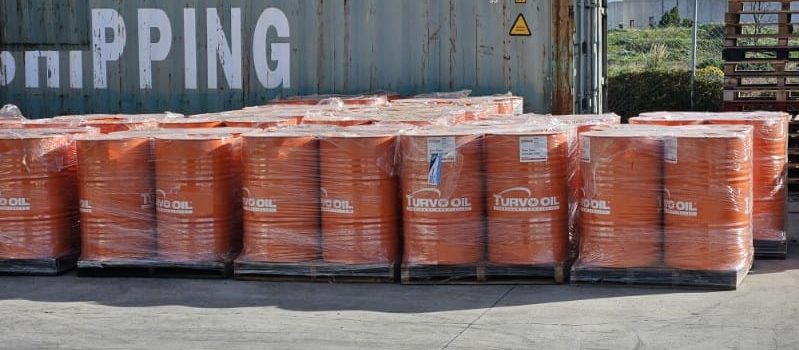
Choosing the right engine oil supplier in Australia is a critical decision for any business that relies on vehicles or machinery. From automotive workshops and transport fleets to industrial operations, the quality of your engine oil directly impacts performance, efficiency, and your bottom line. This guide provides a comprehensive overview of the Australian engine oil market, helping you make an informed decision when selecting a supplier.
What is Engine Oil and Why Quality Matters
Engine oil is a lubricant used in internal combustion engines to reduce friction, clean, cool, and protect moving parts. High-quality engine oil is essential for extending engine life, improving fuel efficiency, and reducing maintenance costs. In the demanding Australian environment, with its diverse climates and vast distances, using the right engine oil is not just a recommendation, it’s a necessity.
Quality engine oil performs several critical functions. It creates a protective film between moving metal surfaces, preventing direct contact and reducing wear. It carries heat away from the combustion chamber, helping to prevent overheating. It suspends contaminants like soot, dirt, and metal particles, preventing them from forming harmful deposits. Finally, it neutralizes acids formed during combustion, protecting engine components from corrosion.
Types of Engine Oil Available in Australia
Understanding the different types of engine oil is the first step in making the right choice for your vehicles or machinery. The Australian market offers three main categories of engine oil, each with distinct characteristics and applications.
| Oil Type | Composition | Best For | Price Point | Key Benefits |
| Mineral | Refined crude oil | Older vehicles, less demanding applications | $ | Cost-effective, proven performance |
| Semi-Synthetic | Blend of mineral and synthetic oils | Everyday use, moderate performance | $$ | Balance of performance and value |
| Fully Synthetic | Chemically engineered | High-performance engines, extreme temperatures | $$$ | Superior protection, extended drain intervals |
Mineral oils are the traditional choice and remain popular for older vehicles and applications where the demands on the lubricant are not extreme. They are refined from crude oil and provide reliable protection at an economical price point.
Semi-synthetic oils, also known as synthetic blends, combine mineral oil with synthetic base stocks. This blend offers improved performance over straight mineral oils, particularly in terms of temperature stability and oxidation resistance, while remaining more affordable than fully synthetic products.
Fully synthetic oils are manufactured through chemical synthesis, resulting in a product with superior and more consistent properties. They excel in extreme temperatures, resist breakdown under stress, and typically allow for extended service intervals. While they command a premium price, the total cost of ownership is often lower due to reduced maintenance requirements and enhanced engine protection.
Engine Oil Applications Across Industries
Different industries have unique lubrication needs, and understanding these requirements is essential for both suppliers and buyers in the Australian market.
Automotive Workshops require a diverse inventory of oils to service the wide variety of vehicles that come through their doors. From standard passenger cars to high-performance European vehicles, workshops need access to products that meet various OEM specifications. The ability to source multiple grades and specifications from a single supplier simplifies procurement and ensures consistency.
Transport and Logistics companies operate fleets that cover vast distances across Australia’s challenging road network. These businesses need heavy-duty diesel engine oils that can withstand long-haul journeys, heavy loads, and extended service intervals. Bulk purchasing options and reliable supply are critical for fleet operators who cannot afford downtime.
Mining and Construction operations subject their equipment to some of the harshest conditions imaginable. Dust, dirt, extreme temperatures, and heavy loads all place enormous demands on lubricants. These industries require robust oils with superior wear protection and the ability to maintain their properties in contaminated environments.
Agriculture relies on versatile lubricants for tractors, harvesters, and other farm equipment that must perform reliably across varied conditions and applications. Multi-purpose oils that can handle both on-road and off-road use are particularly valued in this sector.
How to Choose the Right Engine Oil Supplier in Australia

Selecting a reliable engine oil supplier is crucial for your business’s success. The right partnership goes beyond simply purchasing a product—it’s about finding a supplier who understands your needs and can support your operations over the long term.
Product Quality and Certifications should be your first consideration. Ensure the supplier’s products meet international standards such as API (American Petroleum Institute) and ACEA (European Automobile Manufacturers’ Association). These certifications guarantee that the oil has passed rigorous testing and meets specific performance criteria. For many applications, OEM (Original Equipment Manufacturer) approvals are also essential to maintain warranty coverage.
Product Range is another critical factor. A supplier with a comprehensive portfolio allows you to consolidate your lubricant purchases, simplifying procurement and inventory management. Look for a supplier who can provide everything from passenger car motor oils to heavy-duty diesel lubricants, transmission fluids, and industrial products.
Technical Support separates good suppliers from great ones. Access to knowledgeable technical staff who can provide product recommendations, troubleshoot issues, and help you optimize your lubrication program adds significant value. This expertise is particularly important when dealing with specialized applications or when transitioning to new products.
Supply and Delivery reliability is essential to keep your operations running smoothly. A supplier with a local presence in Australia and a proven track record of on-time delivery will help you avoid costly stockouts and production delays. Consider their distribution network, inventory levels, and ability to handle both regular orders and emergency requirements.
Pricing and Value must be competitive, but the lowest price is not always the best value. Consider the total cost of ownership, including product performance, service life, and the support you receive. Bulk supply options and volume discounts can significantly reduce your operational costs, particularly for high-volume users.
API and ACEA Certifications: What Australian Businesses Need to Know
API and ACEA certifications are the industry’s gold standard for engine oil quality. Understanding these ratings helps you select products that will protect your equipment and meet manufacturer requirements.
The API system classifies oils for both petrol and diesel engines. For petrol engines, the current standard is API SP, which provides enhanced protection against low-speed pre-ignition (LSPI), a phenomenon that can occur in modern turbocharged engines. For diesel engines, API CK-4 is the latest specification, designed for high-speed, four-stroke engines and offering improved oxidation resistance and wear protection.
ACEA specifications are particularly important for European vehicles, which make up a significant portion of the Australian vehicle fleet. ACEA sequences are often more stringent than API ratings and include specific requirements for vehicles equipped with exhaust after-treatment systems like Diesel Particulate Filters (DPFs). The ACEA system is divided into categories: A/B for petrol and light-duty diesel engines, C for catalyst-compatible oils, and E for heavy-duty diesel engines.
Always check that your chosen oil carries the appropriate certifications for your application. Using an oil that doesn’t meet the required specifications can lead to poor performance, increased wear, and may even void your equipment warranty.
Turvo Oil: Your Trusted Engine Oil Supplier in Australia
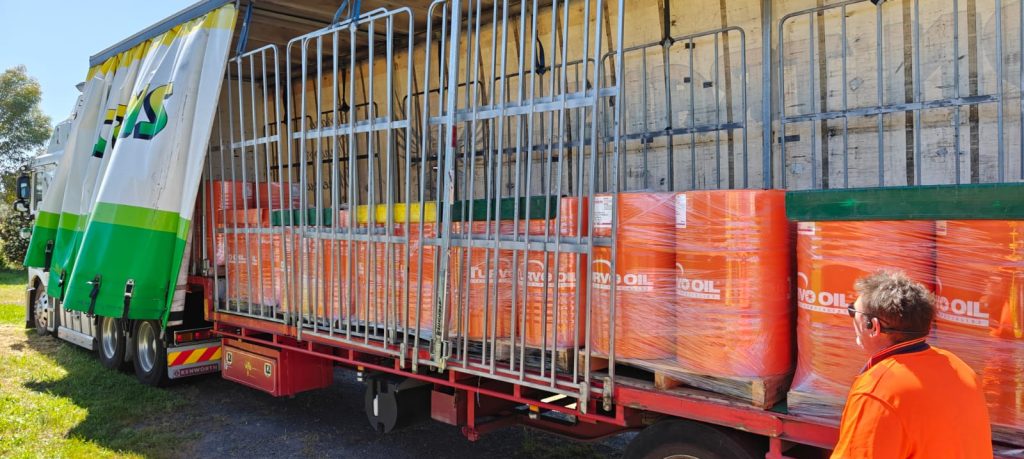
With over 20 years of experience in the Asian market, Turvo Oil is now bringing its high-quality, Singapore-manufactured lubricants to Australia. We understand the unique demands of the Australian market and have tailored our product range and service offering to meet the needs of local businesses.
Our comprehensive range includes API and ACEA certified engine oils, from passenger car oils to heavy-duty diesel lubricants, all formulated to meet the demands of the Australian climate and operating conditions. Our ISO 9001:2015 certified manufacturing process ensures consistent quality and performance in every batch.
We offer flexible packaging options, from 1L bottles for retail to 200L drums for bulk users, and our NSW-based operations ensure fast, reliable delivery across Australia. Our technical team is available to provide expert advice and support, helping you select the right products and optimize your lubrication program.
Find out more about Turvo Oil Australia.
Conclusion
Choosing the right engine oil and supplier is a strategic decision that can have a significant impact on your business. By understanding the different types of oil, their applications, and the key factors to consider when selecting a supplier, you can ensure your vehicles and machinery are protected, efficient, and reliable.
Turvo Oil is committed to providing Australian businesses with high-quality lubricants, expert advice, and reliable supply. Whether you operate an automotive workshop, a transport fleet, or an industrial facility, we have the products and expertise to support your success.
Frequently Asked Questions About Engine Oil Suppliers in Australia
1. What is the best engine oil for Australian conditions?
The best engine oil depends on your vehicle, application, and the local climate. A multi-grade oil like a 5W-40 or 10W-40 is often a good choice for many parts of Australia, offering good flow in cooler temperatures and adequate protection in heat. However, it’s always best to consult your vehicle’s manual or a lubrication expert for specific recommendations.
2. Can I buy engine oil in bulk?
Yes, reputable suppliers like Turvo Oil offer bulk supply options, including 200L drums and flexi-bags, which can offer significant cost savings for businesses with high lubricant consumption. Bulk purchasing also simplifies inventory management and reduces packaging waste.
3. How do I know if an engine oil is good quality?
Look for API and ACEA certifications on the product label. These certifications guarantee that the oil has passed rigorous testing and meets industry standards. Additionally, check for OEM approvals if you’re servicing specific vehicle brands. A reputable supplier will provide full technical documentation, including Safety Data Sheets (SDS) and product information sheets.
4. What is the difference between petrol and diesel engine oil?
Diesel engine oils are formulated with different additive packages to handle the higher levels of soot and contaminants produced by diesel engines. They typically have higher Total Base Number (TBN) to neutralize acids and better dispersancy to keep soot in suspension. It’s important to use the correct type of oil for your engine, as using petrol oil in a diesel engine (or vice versa) can lead to poor performance and potential damage.
5. How often should I change my engine oil?
Follow the manufacturer’s recommended service intervals, which are typically based on either time or distance traveled. However, for vehicles operating in harsh conditions, such as dusty environments, extreme temperatures, or heavy towing. more frequent oil changes may be necessary. Implementing an oil analysis program can help you optimize change intervals based on the actual condition of the oil.